cleanup · Erie County
Union Ship Canal / Hanna Furnace
Buffalo
Former Hanna Furnace waterfront where industrial fill, furnace waste, petroleum, groundwater, and canal sediment required cleanup. Crews removed debris, covered surrounding land, and stabilized the canal walls. Contaminated sediment east of Route 5 was isolated beneath geotextile, stone, and gravel. The remediated landscape is now Ship Canal Commons.
The documented story
What happened here?
The Union Ship Canal—originally called the Goodyear Canal—was constructed beginning in 1903 to connect Lake Erie shipping with the Buffalo and Susquehanna Iron Company, later Hanna Furnace. Freighters delivered iron ore and limestone to the canal, and bridge cranes transferred those raw materials to the adjoining pig-iron works.
Hanna Furnace operated from 1902 until 1982. Its blast furnaces, rail yard, engine-repair area, waste-disposal areas, and extensive industrial fill left a complex environmental record in the land surrounding the canal and in the canal sediment itself.
A canal built for iron became a park that preserves industrial memory
Hanna Furnace joined immigrant labor, pig iron, abandonment, and public reuse
950approximately, workers at the plant near its 1949 production peak
1900s-1949
A purpose-built canal fed a large furnace workforce
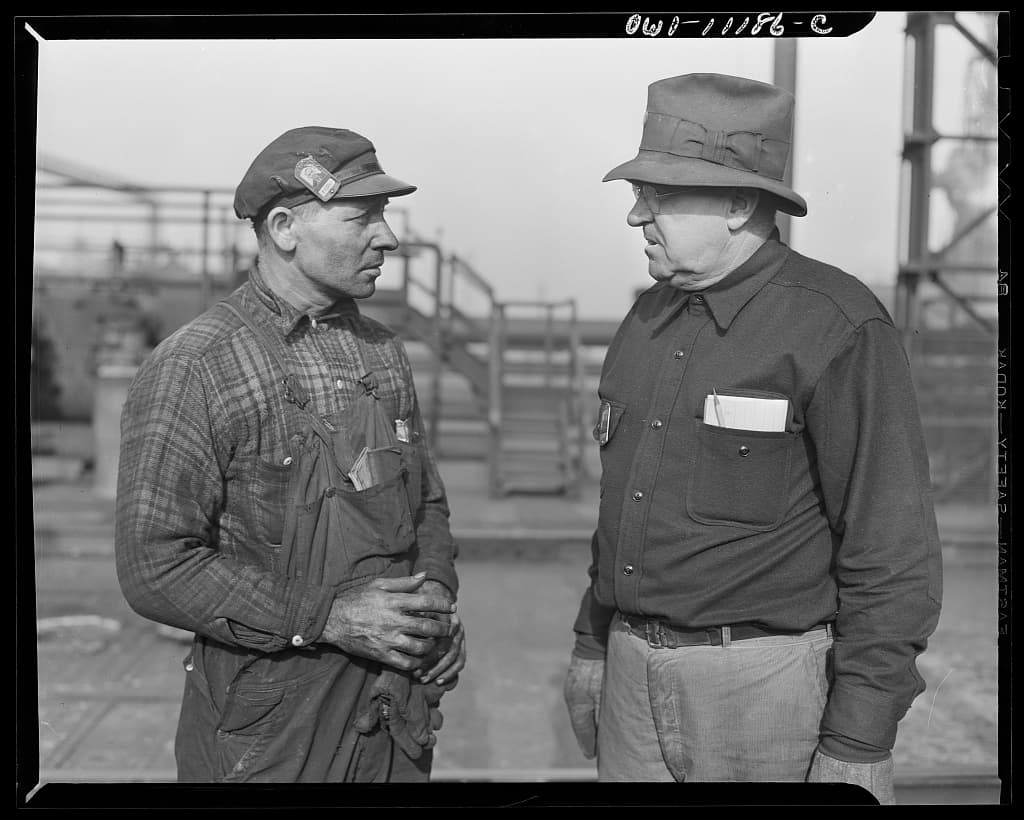
The canal brought raw materials directly to the Buffalo Union Furnace and later Hanna Furnace complex. A Buffalo History Museum photograph account records production near 800,000 tons of pig iron annually by about 950 workers in 1949.
Postwar decades-1982
The furnaces connected harbor labor to the wider steel economy
Workers handled ships, railcars, coke, ore, blast furnaces, slag, and casting operations under demanding industrial conditions. Ownership and operations changed before the plant shut down in 1982, leaving structures, fill, contaminated soil, and canal sediment.
Cleanup and reuse
Ship Canal Commons made industrial evidence part of the park
State cleanup combined upland remedies and an engineered sediment cover with shoreline and habitat work. Furnace remnants and interpretation remain visible so the public landscape records the labor and manufacturing history rather than presenting the site as untouched nature.
News record
Major news events
Coverage selected here marks a turning point in public awareness, policy, enforcement, employment, or cleanup. Links open at the original publisher or archive; WNYAtlas does not reproduce restricted articles or images.
Demolition and cleanup begin turning Hanna Furnace into a controlled waterfront landscape
The remedy removed structures and debris, addressed contaminated soil and groundwater, and tied canal sediment controls to a shallow-water habitat plan rather than treating redevelopment as an ordinary construction project.
New York State Department of Environmental Conservation ↗Contaminated canal sediment is capped while habitat is rebuilt above it
The canal demonstrates a containment remedy in public view: dredging, geotextile, stone, gravel, and habitat construction support reuse while long-term controls preserve the barrier.
Erie County watershed project inventory ↗Chemical guide
Chemicals named in this record
These links explain potential hazards and exposure pathways. A chemical named in a record does not establish that anyone was exposed or harmed.
Chronology
Timeline
- 1902–1903
Pig-iron production began and construction of the ship canal connected the furnace complex to Lake Erie.
- 1910
The canal was extended to support the growing furnace and bulk-material operation.
- 1982
Hanna Furnace ended pig-iron production, leaving a large underused industrial property.
- 2001 onward
Demolition and phased environmental work began across the former furnace property and Buffalo Lakeside Commerce Park.
- 2010–2011
The Union Ship Canal public-open-space remedy covered contaminated canal sediment, stabilized walls, installed upland covers, and created Ship Canal Commons.
Environmental record
Documented impacts
- Furnace waste and soil contained elevated metals including lead, copper, chromium, arsenic, and selenium, together with cyanide and other industrial contaminants.
- Engine repair in the former rail yard created a documented petroleum-contaminated area.
- Canal sediment was contaminated and required an engineered cover rather than unrestricted disturbance or complete removal.
- Groundwater and the surrounding filled industrial land were evaluated and managed separately from the sediment remedy.
Response
Cleanup and controls
- Surface debris was removed and the park landscape was regraded beneath an imported clean-soil cover.
- Unstable portions of the northern and eastern canal walls were reinforced with an underwater berm.
- Sediment east of the Route 5 bridge was covered with geotextile filter fabric and approximately one foot of stone and gravel.
- An environmental easement and site-management requirements preserve the public passive-recreation assumptions of the remedy.
Then and now
The site today
Ship Canal Commons provides trails, habitat, fishing access, and public interpretation around the surviving canal. Its public use rests on an engineered brownfield remedy: contaminated sediment and residual upland material remain managed beneath covers and controls.
Atlas connections
Connected places
These collections explain documented material, facility, waterway, ownership, or cleanup relationships. Inclusion does not imply that every place shares one contaminant source or plume.
Outer Harbor industrial recovery landscape
Canals, filled shoreline, disposal areas, steel and iron facilities, and restored habitat form a connected Outer Harbor landscape. Each location retains its own contamination record, remedy boundary, and present-day controls.
The canal and Ship Canal Commons preserve Hanna Furnace history while containing contaminated sediment and residual upland material.
Covered shoreline brownfieldOuter Harbor GreenbeltThe Greenbelt adds a separately managed filled shoreline and public-open-space remedy.
Dredged-material site and habitatTimes Beach Confined Disposal SiteTimes Beach shows another Outer Harbor transition from disposal infrastructure to ecological value.
Landfill and steel propertyAlltift Landfill / Ramco SteelAlltift connects historic filling and steel operations to the broader South Buffalo waterfront.
Adjacent steelmaking landscapeBethlehem SteelThe former Bethlehem complex extends the heavy-industrial shoreline south into Lackawanna.
Western New York sediment controls
These sites contain documented sediment remedies or affected sediment areas. They are a comparative research collection, not evidence of a shared source or connected plume.
A geotextile and stone cover isolates PAHs, PCBs, and metals in part of the former industrial canal.
Chlorinated-solvent sediment coverWeber-Knapp CompanyDEC records a clean-stone cover at this Jamestown manufacturing cleanup.
PCB-affected sediment areaTennessee Gas Pipeline Station 229The Eden compressor-station record extends sediment concerns into a rural drainage setting.
PCB-affected shoreline sediment5565 River RoadThe River Road entry connects an upland Class 2 site with Niagara River-edge sediment.
PCB-affected shoreline sediment1660 Niagara Street ShorelineThe Niagara Street marker represents a bounded sediment record rather than the entire river shoreline.
Dioxin- and furan-affected sedimentDurez / Occidental ChemicalThe Durez record adds a distinct chemical-manufacturing and sediment-contaminant history.
Riprap and habitat coverGratwick Riverside ParkGratwick combines landfill containment, shoreline protection, and present-day park use.
Waterway connection
See the documented waterway record
The separate waterways map explains the documented relationship among the historic waterbody, fill or sediment, and this Atlas site without crowding the regional map.
Linked research mapUnion Ship Canal and Hanna Furnace →