industry · Erie County
Republic Steel
Buffalo
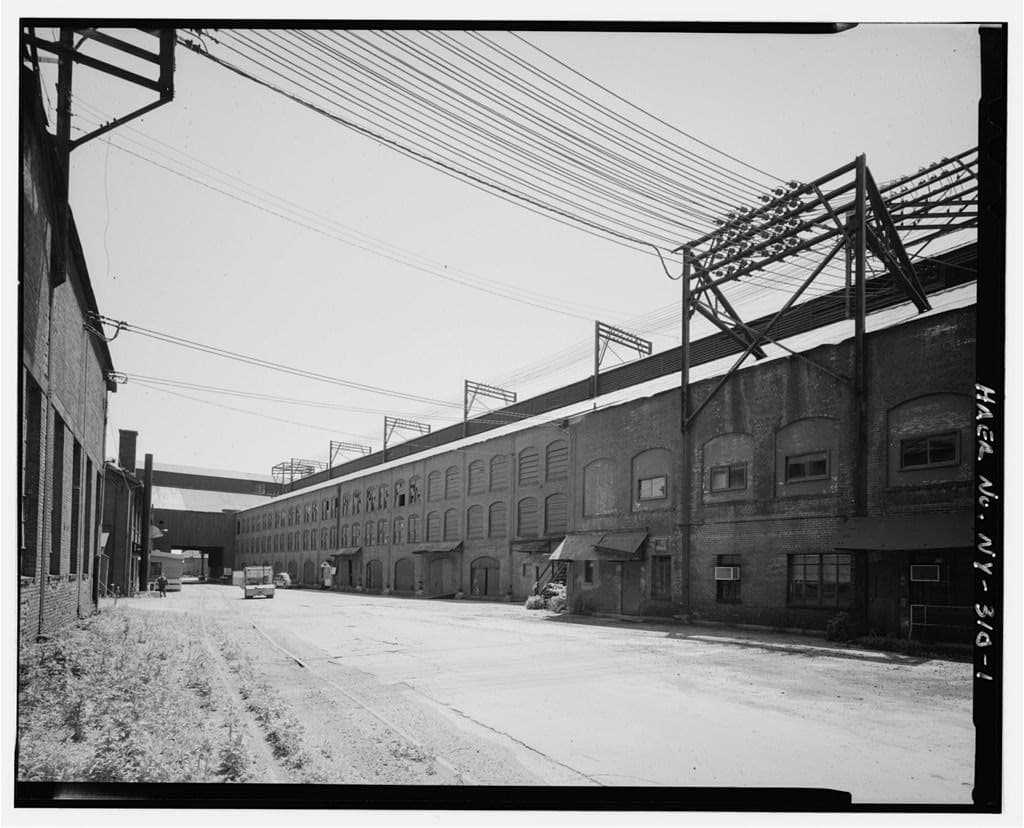
Former South Buffalo iron- and steelmaking property within the four-area Steelfields complex. Republic Steel's plant operated from 1906 into the 1980s; later remedies removed contaminated soil and managed petroleum, groundwater, metals, PAHs, and other industrial residues under parcel-specific controls.
The documented story
What happened here?
Republic Steel's South Buffalo plant began steel production in 1906. Its two blast furnaces made molten iron that was converted to steel in two basic-oxygen furnaces, while the adjacent Donner-Hanna plant produced coke for the steel works. The linked operations continued from the early twentieth century through 1982, with some Republic/LTV activity extending into the late 1980s.
The later Steelfields cleanup assembled approximately 215 acres but divided the history into four distinct areas: Area I, the former Republic Steel plant; Area II, the former Donner-Hanna Coke plant; Area III, the Republic warehouse parcel; and Area IV, the Donner-Hanna coke-storage yard. Conditions documented on one area should not automatically be assigned to the others.
Steelmaking, coke processing, coal handling, rail activity, filling, and surface disposal left contaminated soil, industrial fill, and groundwater. New York's Voluntary Cleanup and Brownfield Cleanup programs addressed those conditions while preserving continuing controls where material remains in place.
Work, closure, and reuse
The mill disappeared; its labor and landscape did not
2,500workers at the Buffalo plant at its peak, reported in 1984
1906-1982
Generations worked an integrated industrial landscape
Republic's furnaces and mills and the adjoining Donner-Hanna coke operation made the Buffalo River corridor a place of skilled, dangerous, and physically demanding work. The separate plants were operationally linked, but their later cleanup parcels and contamination records remain distinct.
June 1982-January 1984
An indefinite shutdown became permanent
Republic idled the South Buffalo plant in 1982. In January 1984 the company announced it would never reopen, citing weak demand. A contemporary report called the decision another blow to a region already experiencing double-digit unemployment.
After closure
Industrial knowledge moved with the workers
United Steelworkers later recorded that about 100 former Republic employees found work at a nearby copper and brass plant. Their machinery experience became part of the next factory's workforce—a specific example of how industrial skill survived even when the original mill did not.
Historical aerial evidence · sixth release
From operating steelworks to the managed RiverBend landscape
The 1951 Erie County photograph records the Republic Steel and neighboring South Buffalo industrial landscape during the plant's long operating period. Four later state orthophotos use one fixed geographic window around Area I, the former Republic/LTV steel parcel, to show shutdown-era remains, cleanup, redevelopment, and the present managed property.
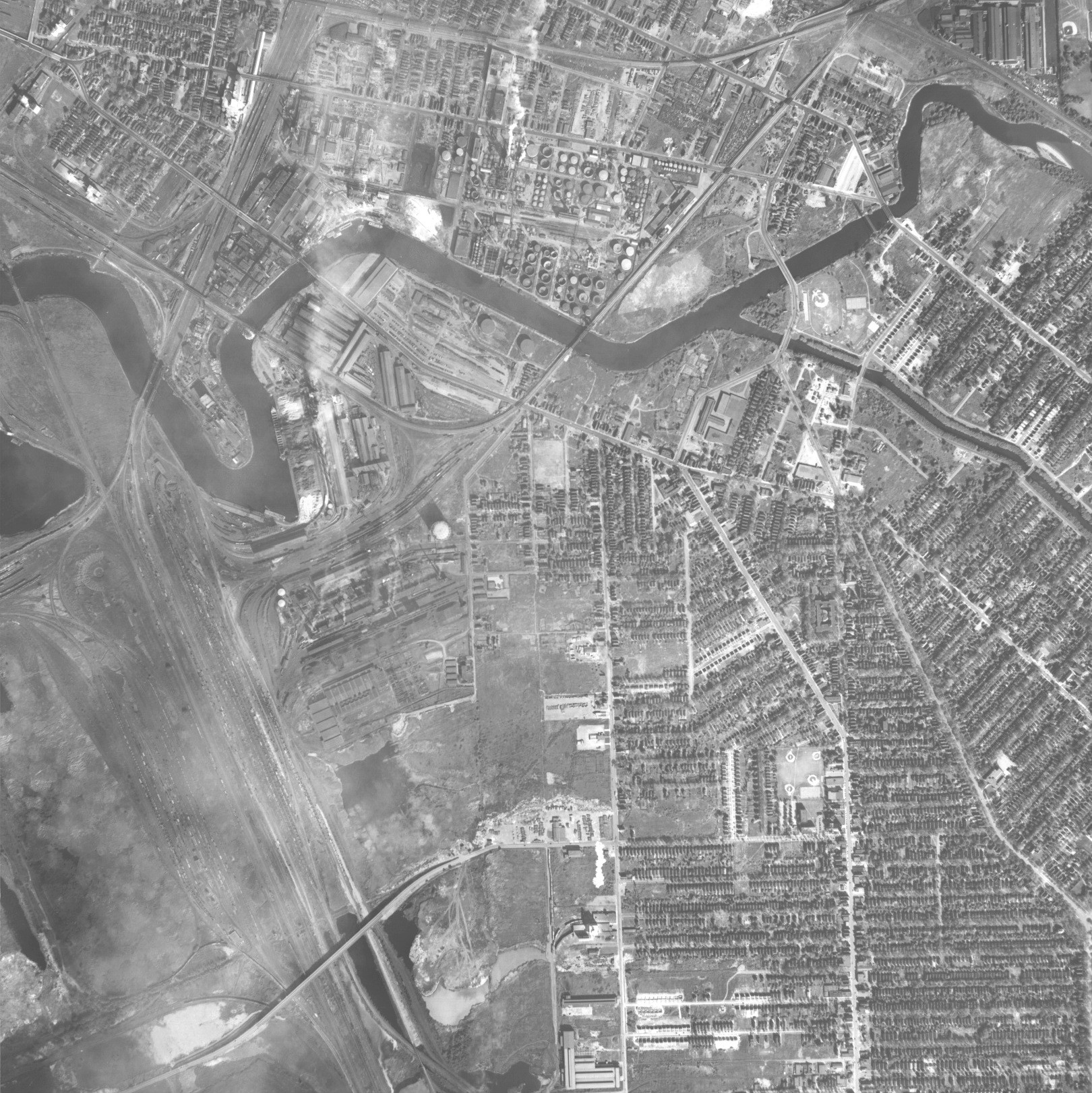
DEC's 1997 historical review reported no significant plant change between the 1950 Sanborn map and this 1951 aerial. The yellow trace approximately transfers the later Area I boundary onto the archival frame; scan distortion and the frame's different scale prevent survey-level alignment.
Erie County frame 51_5H106 ↗Choose a year. On touch screens, swipe the image to move through time.
News record
Major news events
Coverage selected here marks a turning point in public awareness, policy, enforcement, employment, or cleanup. Links open at the original publisher or archive; WNYAtlas does not reproduce restricted articles or images.
Republic Steel says its Buffalo plant will never reopen
The company made permanent the shutdown of a plant that once employed about 2,500 people, compounding Western New York's early-1980s steel-industry losses.
United Press International archive ↗Chemical guide
Chemicals named in this record
These links explain potential hazards and exposure pathways. A chemical named in a record does not establish that anyone was exposed or harmed.
Chronology
Timeline
- 1906–1982
Republic Steel produced iron and steel while Donner-Hanna made coke for the works. The combined industrial record ran from the early 1900s through 1982.
- 1984–1998
LTV Steel acquired most of the Republic and Donner-Hanna properties in 1984, sold physical assets, and began environmental work. A voluntary-cleanup plan and site assessment followed in 1998.
- 2002
Steelfields acquired the former Republic Steel and Donner-Hanna properties from the LTV and National Steel bankruptcy estates and entered a state voluntary-cleanup agreement.
- 2003–2008
Extensive remediation removed contaminated soil, installed groundwater collection and treatment, and placed remaining material under managed redevelopment areas.
- 2008–present
RiverBend purchased Area I in 2008, and Fort Schuyler Management Corporation acquired it in 2014. Redevelopment proceeded with operation, monitoring, maintenance, and soil-management requirements.
Environmental record
Documented impacts
- Historic steel and coke operations left contaminants associated with coal handling, coke processing, and steelmaking, including petroleum compounds, PAHs, metals, phenols, and cyanide.
- Area I work from 2003 to 2008 removed soil containing benzene, semi-volatile organic compounds, and metals and established a groundwater collection and treatment system for oil contamination.
- A 2009 monitoring report found several petroleum compounds, arsenic, and cyanide above groundwater standards or guidance values in at least one well in Areas I through III. That finding is a dated monitoring result, not a claim that every parcel has the same present condition.
- The Buffalo River cleanup record identifies Steelfields as a shoreline property where remedies were designed to prevent residual contamination from migrating to the river.
Response
Cleanup and controls
- Remedial actions included excavation, grading, containment, covers, and management of remaining soil and fill.
- Site-management plans require controls during excavation or redevelopment, along with inspection, maintenance, and reporting obligations.
- Environmental easements and use restrictions preserve the commercial or industrial assumptions under which portions of the cleanup were approved.
Then and now
The site today
The former Republic Steel landscape now supports major redevelopment, but it remains a managed brownfield rather than an erased industrial site. Current use depends on parcel-specific remedies, engineering controls, and soil-management requirements.
Area I's revised management plan requires continued inspection, maintenance, reporting, and controlled handling of subsurface soil or fill during future work.
Atlas connections
Connected places
These collections explain documented material, facility, waterway, ownership, or cleanup relationships. Inclusion does not imply that every place shares one contaminant source or plume.
Buffalo River industrial corridor
Industrial parcels, former disposal areas, sediment remedies, and restored habitats form a shared river corridor while retaining separate ownership and cleanup records.
The river is the organizing environmental system for this collection.
Chemical-manufacturing shorelineBuffalo ColorBuffalo Color represents a major industrial parcel with documented sewer and shoreline pathways.
Steel and coke landscapeRepublic SteelThe former Republic Steel landscape links heavy industry, managed brownfields, and riverfront redevelopment.
Former industrial propertyIroquois Gas / Westwood PharmaceuticalThis property adds a distinct industrial and cleanup history within the broader river corridor.
Peninsula cleanup areaKatherine Street PeninsulaThe peninsula record connects upland contamination, shoreline conditions, and river restoration.
Landfill and steel propertyAlltift Landfill / Ramco SteelAlltift links filled industrial land to the river corridor's disposal history.
Recovered landscapeTifft Nature PreserveTifft shows the corridor's transition from industrial and filled land to habitat and public use.
Confined-disposal and habitat siteTimes Beach Confined Disposal SiteTimes Beach connects dredged-material management with later habitat value.