cleanup · Genesee County
Lehigh Valley Railroad Derailment
Le Roy
December 1970 derailment at Gulf Road where two tank cars released about 30,000 gallons of TCE and another partially released cyanide. TCE entered fractured bedrock, producing an approximately four-mile groundwater plume across parts of Genesee, Livingston, and Monroe counties; EPA selected the remaining multi-media remedy in 2023.
The documented story
What happened here?
In December 1970, a Lehigh Valley Railroad train derailed at the Gulf Road crossing in Le Roy. Two tank cars ruptured, releasing approximately 30,000 gallons of trichloroethylene, or TCE, into the ground; about one ton of cyanide crystals was also released.
The cyanide was collected and neutralizing material was spread, but most of the TCE could not be recovered. Odors were reported within days, and the solvent entered bedrock groundwater, eventually producing a plume extending roughly four miles through portions of Genesee, Livingston, and Monroe counties.
A train wreck became a four-mile groundwater site
The crash lasted minutes; the water response lasted generations
4 milesapproximate length of the documented TCE groundwater plume
December 1970
An emergency cleanup could recover only part of the release
Responders collected cyanide crystals and the railroad excavated and flushed the spill area, but most of the TCE could not be recovered. Nearby residents soon reported solvent odors in well water.
1971-2003
Filters and testing preceded a permanent alternate supply
Carbon treatment was installed on affected private wells. As later sampling found TCE farther east and southeast, approximately 50 wells became part of the investigation; a public waterline connected existing homes in the affected area in 2003.
Continuing remedy
Groundwater, creek water, and indoor air remain connected
The selected remedy addresses the source zone, the long bedrock plume, discharge toward surface water, and vapor intrusion at properties. Monitoring and land- and groundwater-use controls acknowledge that full aquifer restoration is not expected quickly.
News record
Major news events
Coverage selected here marks a turning point in public awareness, policy, enforcement, employment, or cleanup. Links open at the original publisher or archive; WNYAtlas does not reproduce restricted articles or images.
A pre-dawn derailment releases TCE and cyanide at Gulf Road
The wreck lasted minutes, but unrecovered solvent entered fractured bedrock and ultimately created an approximately four-mile groundwater plume spanning parts of three counties.
U.S. Environmental Protection Agency response archive ↗A hidden plume changes drinking water and household vapor protections
After the solvent plume was identified, affected properties received bottled water and treatment before public-water connections were completed; vapor-mitigation systems were installed where sampling identified a building pathway.
U.S. Environmental Protection Agency ↗EPA finalizes the remaining cleanup more than fifty years later
The remedy addresses source soil, groundwater, Mud Creek, vapor intrusion, monitoring, and institutional controls—evidence of how a transportation accident became a generational water problem.
U.S. Environmental Protection Agency ↗Chemical guide
Chemicals named in this record
These links explain potential hazards and exposure pathways. A chemical named in a record does not establish that anyone was exposed or harmed.
Chronology
Timeline
- December 1970
The derailment released about 30,000 gallons of TCE and one ton of cyanide crystals at Gulf Road.
- 1971
The railroad excavated flushing trenches and installed carbon treatment on affected private wells.
- 1989–1994
TCE was found in the Genesee County campground well and then in approximately 50 wells east and southeast of the spill zone.
- 2003
A public waterline connected existing homes in the affected area to a municipal supply.
- 2023
EPA selected a long-term remedy addressing soil, groundwater, surface water, soil vapor, indoor air, and institutional controls.
Environmental record
Documented impacts
- TCE entered fractured bedrock and created an approximately four-mile groundwater plume.
- Private wells and a campground supply were affected, prompting filtration, monitoring, and public-water connections.
- Soil vapor and indoor-air pathways required mitigation systems at affected properties.
- Mud Creek surface water and streambed conditions became part of the remedy.
Response
Cleanup and controls
- Contaminated source soil is excavated for permitted off-site disposal where accessible.
- The selected remedy uses long-term groundwater monitoring because available treatment cannot restore the full bedrock plume within a reasonable period.
- Streambed treatment, vapor mitigation, indoor-air monitoring, public-water connections, easements, and groundwater-use restrictions reduce exposure.
Then and now
The site today
More than fifty years after the derailment, the site remains an active federal and state cleanup. Its history demonstrates how a short transportation accident can become a multi-county groundwater and vapor-management problem lasting generations.
Atlas connections
Connected places
These collections explain documented material, facility, waterway, ownership, or cleanup relationships. Inclusion does not imply that every place shares one contaminant source or plume.
Genesee County industrial and disposal sites
Municipal disposal, scrap-metal processing, and railroad transport provide three different views of Genesee County's documented cleanup history.
The landfill received industrial wastes before its federal cleanup, deletion, and continuing stewardship.
Scrap and metal processingBatavia Iron and MetalThe Bank Street site adds a Class 2 industrial cleanup within the City of Batavia.
Railroad releaseLehigh Valley Railroad DerailmentThe Le Roy site shows how rail transport created a different kind of historical contamination record.
Manufactured-gas plantBatavia Former Manufactured Gas PlantThe Evans Street gasworks adds Batavia's nineteenth-century energy infrastructure and its coal-tar cleanup record.
Electrical-insulator manufacturingLapp Insulator CompanyThe large Le Roy property documents a separate history of ceramic manufacturing, chlorinated solvents and long-term groundwater management.
Research status
Open questions
- Add the train consist, locomotive, ownership, emergency-response, and contemporary newspaper chronology.
- Map the spill zone, groundwater plume, public-water service area, Mud Creek remedy, and vapor-mitigation properties at appropriate privacy-preserving scales.
- Track implementation milestones under EPA's 2023 Record of Decision.
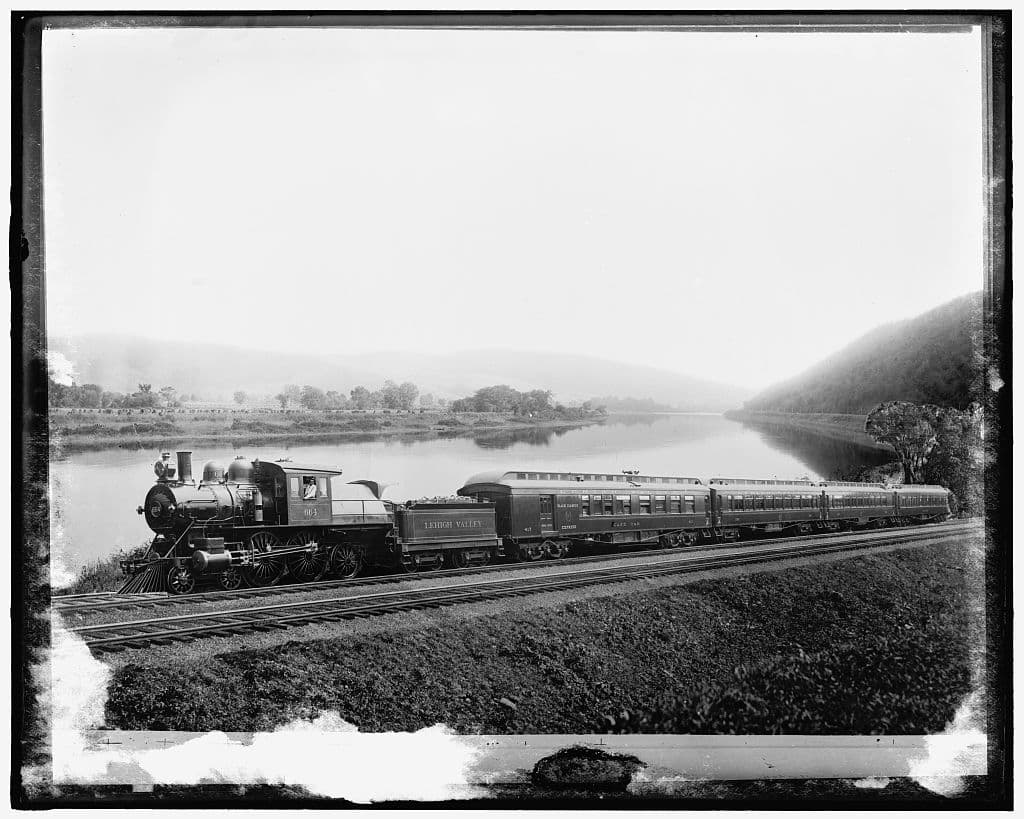
- Link contemporary derailment photographs and newspaper pages unless an archive explicitly permits republication; the existing Library of Congress train image is company context, not the wreck scene.