cleanup · Genesee County
Batavia Iron and Metal
Batavia
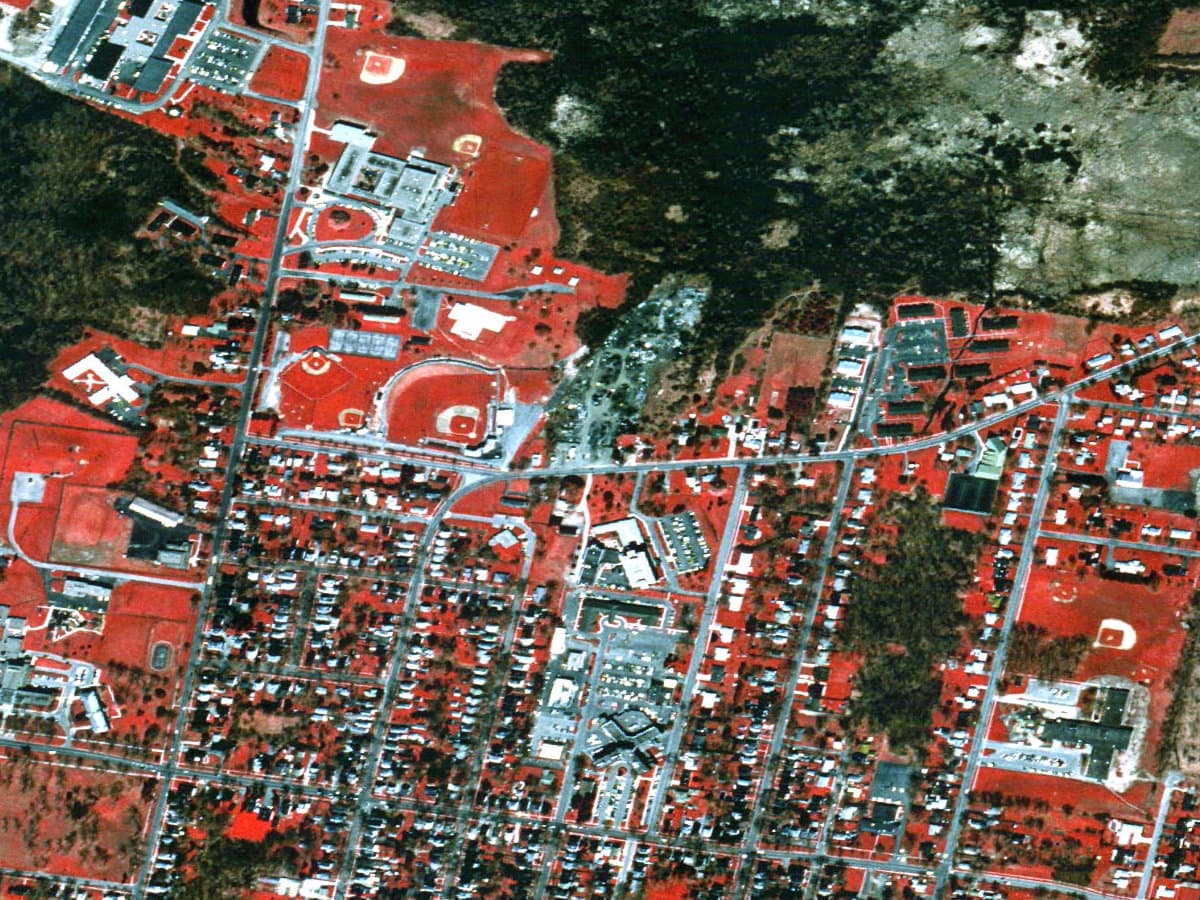
Former scrap-metal and metal-processing property at 301 Bank Street. The active Class 2 State Superfund site gives Batavia a second major industrial-cleanup story beyond the municipal landfill.
The documented story
What happened here?
The 6.8-acre property at 301 Bank Street operated as Batavia Waste Material Company and later Batavia Iron and Metal from 1951 to 1999. The business recycled scrap metal and handled electrical transformers.
Two furnaces operated from the early 1970s until 1994 to reclaim wire and smelt white metals. Before the furnaces were installed, wire insulation was reportedly removed by open burning in yard dumpsters, leaving a mixed metal-recycling legacy in fill, soil, groundwater, and neighboring areas.
DEC's later project spotlight shows why the remedy changed during construction. Additional investigation refined the locations and media requiring work, leading to excavation and off-site disposal, groundwater treatment, vapor mitigation, and wetland restoration rather than a single uniform excavation across the property. The evolving design is evidence of field verification, not a reason to generalize site findings to all nearby Bank Street parcels.
Chronology in context
Turning points in the public record
1951–1999
The property operated as a metal-recycling and scrap-handling facility.
Early 1970s–1994
Two furnaces reclaimed wire and smelted white metals, replacing earlier open burning used to strip insulation.
2013
DEC selected a remedy addressing four principal areas of concern.
2022 onward
State remedial construction advanced after design-phase investigation.
2024
DEC documented modifications to the remedy based on additional investigation and construction findings.
News record
Major news events
Coverage selected here marks a turning point in public awareness, policy, enforcement, employment, or cleanup. Links open at the original publisher or archive; WNYAtlas does not reproduce restricted articles or images.
Ton by ton, a former scrapyard is cleared beside Dwyer Stadium
Local coverage followed the visible removal of contaminated material and the city's attempt to return the long-idle Bank Street property to productive use; DEC required community air monitoring during excavation and backfilling.
The Batavian ↗Additional field findings reshape the long-planned remedy
DEC construction notices and its later project spotlight document excavation, off-site disposal, groundwater treatment, vapor mitigation, and changes made after investigation refined contamination on and near the property.
New York State Department of Environmental Conservation ↗Chemical guide
Chemicals named in this record
These links explain potential hazards and exposure pathways. A chemical named in a record does not establish that anyone was exposed or harmed.
Environmental record
Documented impacts
- PCBs and pesticides affected fill near the on-site building.
- PCBs and metals occurred in soil and fill across the property, with metals also affecting nearby Bank Street parcels.
- Debris piles, groundwater conditions, wetland sediment, and an off-site vapor pathway required separate evaluation.
Response
Cleanup and controls
- The remedy excavates contaminated soil, fill, debris, and wetland sediment where required, followed by verification and restoration.
- Groundwater treatment includes enhanced bioremediation in the affected area.
- Off-site vapor mitigation, institutional controls, and a site-management plan protect against remaining exposure pathways.
Then and now
The site today
Batavia Iron and Metal remains an active state cleanup whose design evolved as field work refined the extent of contamination. The property and specific neighboring parcels are documented; the findings should not be generalized to the wider Bank Street neighborhood.
Atlas connections
Connected places
These collections explain documented material, facility, waterway, ownership, or cleanup relationships. Inclusion does not imply that every place shares one contaminant source or plume.
Genesee County industrial and disposal sites
Municipal disposal, scrap-metal processing, and railroad transport provide three different views of Genesee County's documented cleanup history.
The landfill received industrial wastes before its federal cleanup, deletion, and continuing stewardship.
Scrap and metal processingBatavia Iron and MetalThe Bank Street site adds a Class 2 industrial cleanup within the City of Batavia.
Railroad releaseLehigh Valley Railroad DerailmentThe Le Roy site shows how rail transport created a different kind of historical contamination record.
Manufactured-gas plantBatavia Former Manufactured Gas PlantThe Evans Street gasworks adds Batavia's nineteenth-century energy infrastructure and its coal-tar cleanup record.
Electrical-insulator manufacturingLapp Insulator CompanyThe large Le Roy property documents a separate history of ceramic manufacturing, chlorinated solvents and long-term groundwater management.