radiological · Cattaraugus County
West Valley Demonstration Project
Ashford
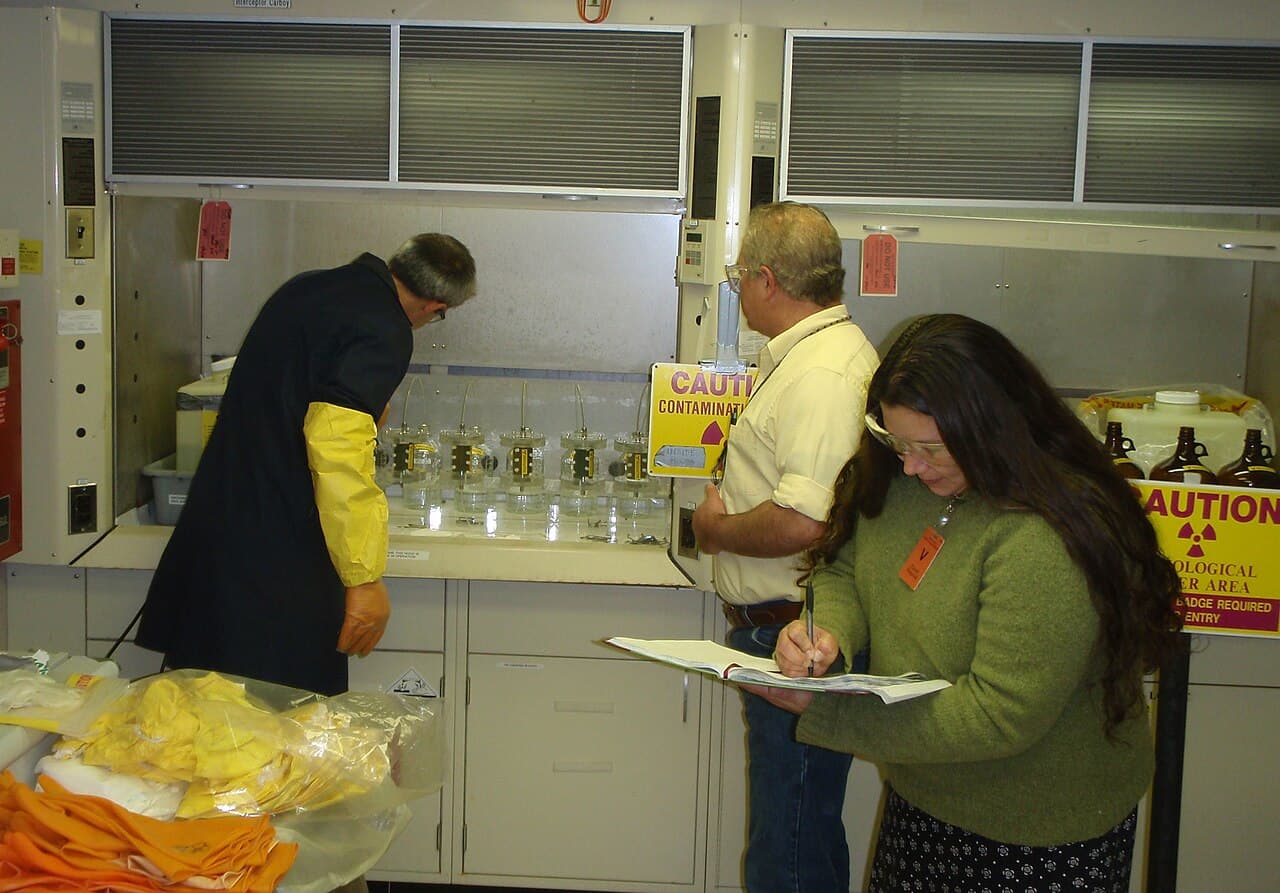
Federal cleanup and decommissioning project at the former commercial nuclear fuel reprocessing facility.
The documented story
What happened here?
West Valley is the site of the only commercial nuclear-fuel reprocessing plant to have operated in the United States. The Main Plant Process Building recovered uranium and plutonium from irradiated fuel between 1966 and 1972, processing about 640 metric tons of fuel and generating approximately 600,000 gallons of liquid high-level radioactive waste.
Congress created the West Valley Demonstration Project in 1980. The federal project covers about 200 acres within New York State's approximately 3,300-acre Western New York Nuclear Service Center. The law assigns the U.S. Department of Energy responsibility for solidifying the high-level waste, disposing of waste created by that work, and decontaminating and decommissioning project facilities before returning the premises to New York.
A short industrial experiment became a generations-long cleanup
West Valley changed from nuclear-fuel reprocessing to nuclear stewardship
640 metric tonsspent nuclear fuel processed before reprocessing ended
1963-1972
A commercial nuclear venture operated in rural Cattaraugus County
Nuclear Fuel Services operated the reprocessing facility, separating reusable uranium and plutonium from irradiated fuel. DOE reports that the plant processed 640 metric tons of fuel and generated more than 600,000 gallons of liquid high-level radioactive waste before commercial reprocessing ended.
1980 onward
Congress turned the property into a federal demonstration project
The West Valley Demonstration Project Act directed DOE to solidify the high-level waste and decontaminate and decommission project facilities in cooperation with New York State. Cleanup created a long-running workforce whose job is materially different from the work that created the waste.
Continuing
Each demolition milestone opens the next cleanup problem
High-level waste was vitrified into glass canisters, major facilities have been dismantled, and the Main Plant Process Building demolition became a defining milestone. Remaining work includes contaminated foundations, soil, groundwater, waste disposition, and decisions affecting the larger Western New York Nuclear Service Center.
News record
Major news events
Coverage selected here marks a turning point in public awareness, policy, enforcement, employment, or cleanup. Links open at the original publisher or archive; WNYAtlas does not reproduce restricted articles or images.
Television reporting follows reprocessing, waste, protest, and cleanup debate
Archived WNED and WIVB reports preserve how West Valley was presented during its operating aftermath and the long public argument over radioactive waste and cleanup responsibility.
NIRS index to WNED and WIVB historical footage ↗Chemical guide
Chemicals named in this record
These links explain potential hazards and exposure pathways. A chemical named in a record does not establish that anyone was exposed or harmed.
Chronology
Timeline
- 1966–1972
The commercial reprocessing plant operated, recovering uranium and plutonium from spent nuclear fuel.
- 1980
The West Valley Demonstration Project Act directed DOE to solidify the high-level waste and decommission project facilities.
- 1996–2002
DOE vitrified the liquid high-level waste into a stable glass form and later moved the canisters to on-site dry storage.
- 2022–2025
Crews deconstructed the radiologically contaminated Main Plant Process Building after two decades of deactivation work.
- 2026
Cleanup continued with removal of supporting structures and the start of Fuel Receiving and Storage Facility demolition.
Environmental record
Documented impacts
- Fuel reprocessing contaminated process buildings and equipment with radioactive material and also left hazardous materials including lead, asbestos, and PCBs.
- The project manages high-level waste, transuranic and low-level waste, contaminated soil, legacy facilities, and disposal areas within a larger state-owned nuclear center.
- The site's long-term decisions affect both the federal project premises and adjoining areas that remain under New York State responsibility.
Response
Cleanup and controls
- Liquid high-level waste was vitrified into glass and placed in stainless-steel canisters; those canisters are stored on site pending a federal disposal pathway.
- Facility deactivation removes contaminated equipment and piping before controlled demolition, with dust suppression, air monitoring, debris controls, and off-site waste disposal.
- Environmental monitoring, surveillance, maintenance, and phased decision-making continue while additional structures, below-grade components, soil, and legacy waste are addressed.
Then and now
The site today
The Main Plant Process Building is gone, but West Valley remains an active nuclear cleanup and decommissioning project. Work in 2026 includes demolition of the former fuel-receiving facility and preparation for later phases; completion of one major building does not mean completion of the site-wide cleanup.
Radiological-map connection
Place this site in the wider material history
The separate radiological investigation map distinguishes producers, processors, storage, the 100 historical survey records, federal remediation, and current assessment coverage.
Linked research mapOpen the radiological investigation →