cleanup · Erie County
NL Industries Foundry
Cheektowaga
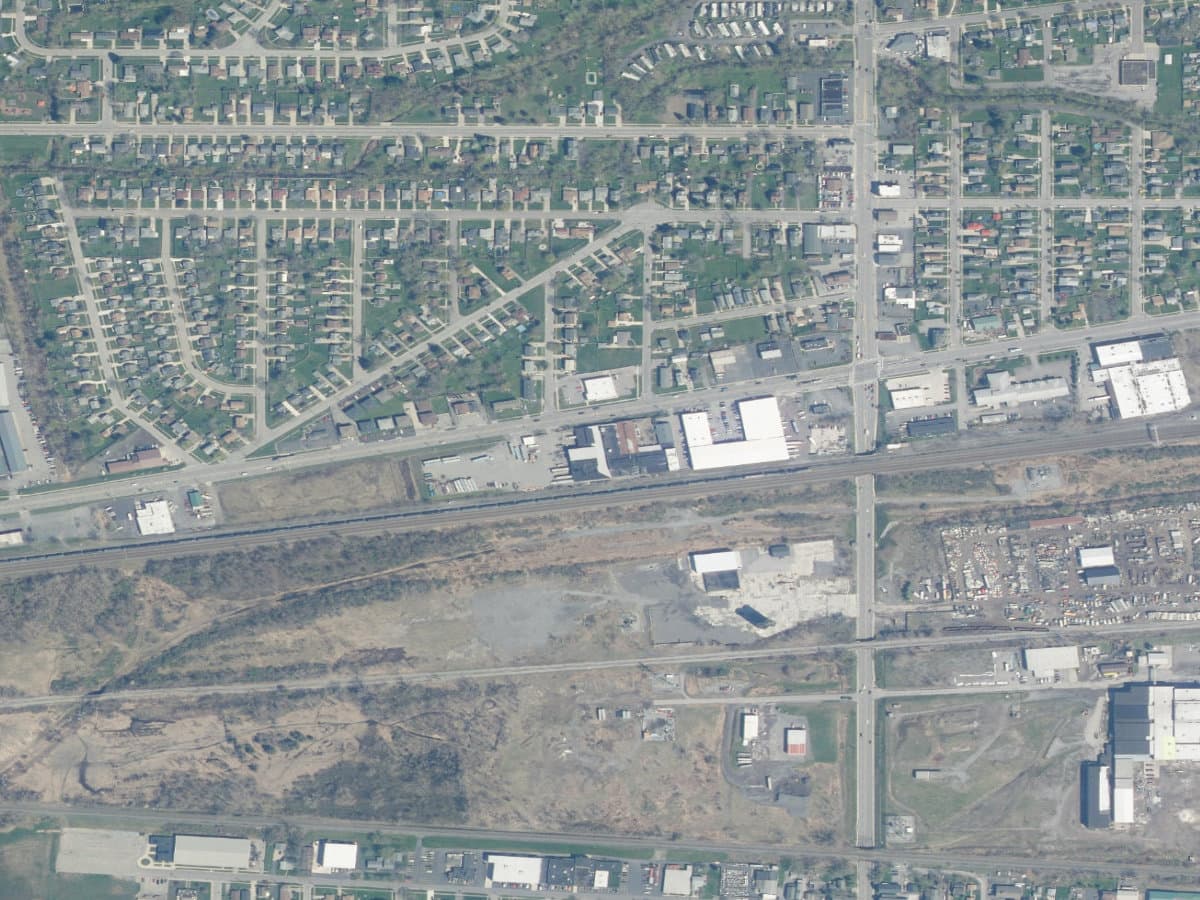
Seven-and-a-half-acre former foundry at 3241 Walden Avenue. DEC traces Buffalo Brass, Magnus Metal, Empire Smelting and National Lead operations here. A completed Brownfield remedy retained lead-bearing material under engineered controls and restricted reuse.
The documented story
What happened here?
The 7.5-acre property at 3241 Walden Avenue was first developed for industrial use in 1892. Brass foundry operations continued until 1972, leaving a long metal-casting and industrial-fill history within the Cheektowaga/Depew manufacturing corridor.
The property later supported paper-recovery operations and entered New York's Brownfield Cleanup Program. Cleanup focused especially on elevated lead in soil while preserving controlled industrial reuse.
The final engineering record documents a remedy designed around continued commercial or industrial use rather than unrestricted residential conditions. Excavation and disposal addressed selected contaminated material, while a cover system and institutional controls manage soil left in place. That combination matters to the site's interpretation: remedial construction was completed, but the environmental easement and site-management plan remain active parts of the remedy rather than historical paperwork.
Chronology in context
Turning points in the public record
1892-1972
Brass foundry operations occupied the Walden Avenue property.
Later industrial reuse
The property transitioned to paper-recovery use while former foundry soil and fill remained an environmental concern.
2005
The property entered the Brownfield Cleanup Program and a remedy was selected for contaminated soil.
2009
Remedial construction was completed and documented in the final engineering report.
Present
Industrial reuse continues subject to the cover, easement and site-management requirements.
News record
Major news events
Coverage selected here marks a turning point in public awareness, policy, enforcement, employment, or cleanup. Links open at the original publisher or archive; WNYAtlas does not reproduce restricted articles or images.
Eighty years of brass foundry work leave a lead-centered cleanup
The final engineering record traces brass foundry operations from 1892 to 1972. Brownfield work later addressed elevated soil contamination—particularly lead—while supporting continued industrial reuse.
New York State Department of Environmental Conservation ↗DEC announces completion of the former foundry remedy
The public completion notice documented finished remedial construction and availability of the final engineering record, while institutional controls continued to govern residual conditions and reuse.
New York State Department of Environmental Conservation ↗Chemical guide
Chemicals named in this record
These links explain potential hazards and exposure pathways. A chemical named in a record does not establish that anyone was exposed or harmed.
Environmental record
Documented impacts
- Lead was the principal elevated soil contaminant highlighted in DEC's completion notice.
- Foundry sand, other metals and industrial fill were evaluated as part of the former brass-casting property.
- Residual contamination is managed within the defined brownfield boundary.
- Conditions should not be attributed to the wider Cheektowaga industrial district without parcel-specific evidence.
Response
Cleanup and controls
- Investigation identified areas requiring excavation, cover, or other remedial management.
- An approved site cover limits routine contact with residual industrial soil or fill.
- An environmental easement, land-use and groundwater restrictions, and a site-management plan govern future work.
Then and now
The site today
The former foundry is a remediated brownfield suited to controlled reuse. Its industrial heritage remains physically legible, while the easement and site-management plan carry the cleanup forward.