cleanup · Niagara County
Forest Glen Mobile Home Subdivision
Town of Niagara
Federal Superfund site where a residential development was built over an inadequately covered chemical-waste dump. EPA permanently relocated residents, excavated contaminated soil, and consolidated it beneath an engineered cap. Long-term controls continue. The record applies to the former subdivision and capped disposal area, not the wider neighborhood.
The documented story
What happened here?
The 39-acre Forest Glen site was used for unauthorized industrial-waste disposal from the 1950s into the early 1970s. Niagara Falls USA Campsites Corporation purchased the property in 1973 and developed an approximately 11-acre portion as a mobile-home subdivision. Evidence of buried waste appeared during utility installation that same year.
By the late 1980s, approximately 150 people lived at Forest Glen. Investigators found buried drums, contaminated soil and groundwater, and compounds including benzothiazole, aniline, and phenothiazine. The environmental question was no longer only what had been dumped, but whether families could safely remain while years of investigation and construction proceeded.
EPA and FEMA began voluntary temporary relocation in July 1989. Residents publicly argued that a short move was inadequate and pressed for permanent relocation. EPA selected permanent relocation in December 1989, and FEMA completed it in December 1992.
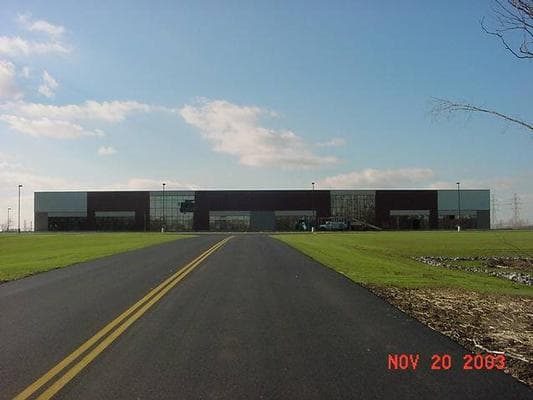
The physical remedy later excavated and consolidated contaminated material beneath an engineered cap. A commercial distribution building was constructed over part of the cap, while groundwater extraction and monitoring continued.
Homes built over an illegal dump
A neighborhood was moved so families could leave the contamination behind
150approximately, residents permanently relocated
1980-1989
A complaint exposed what lay beneath the subdivision
Niagara County health officials responded after drum tops and resin-like material appeared at a residence; utility workers had also encountered waste, drums, and batteries. In 1989, ATSDR concluded that known conditions and plausible exposure during gardening, play, and lawn care presented a significant health risk and recommended immediate relocation.
1989-1992
Relocation affected every part of household life
EPA and FEMA first offered temporary assistance and then permanently relocated the residents. Federal records describe individual and possible group moves, testing possessions and mobile homes, continued mortgage obligations, pet kenneling, and the practical difficulty of moving heavily altered trailers.
During the response
Children were taken away from the site during the day
EPA's post-remediation account records that older Forest Glen children were bused to day camps when school was out and younger children went to daycare, reducing contact with contaminated areas while relocation and site work proceeded. It is a documented human consequence without requiring a claim about any child's health.
News record
Major news events
Coverage selected here marks a turning point in public awareness, policy, enforcement, employment, or cleanup. Links open at the original publisher or archive; WNYAtlas does not reproduce restricted articles or images.
Forest Glen residents are offered emergency relocation
Federal relocation began after chemical waste was documented beneath the subdivision. Contemporary reporting captured residents' demand for permanent—not merely temporary—removal from the site.
United Press International archive ↗Testing finds contamination inside Forest Glen homes
Preliminary dust results intensified concern after the relocation began and reinforced comparisons with the unresolved human consequences of Love Canal.
United Press International archive ↗EPA selects the physical cleanup after families have been relocated
The $16.5 million plan addressed contaminated soil and sediment years after the emergency began, showing how resident relocation and environmental construction followed separate timelines.
U.S. Environmental Protection Agency news archive ↗Chronology
Timeline
- 1950s–early 1970s
Industrial waste was illegally disposed across wooded and wet areas before subdivision development.
- 1973–1979
Waste evidence appeared during utility installation, but the mobile-home subdivision was developed and occupied.
- 1987–July 1989
Federal and state investigation identified buried waste and contaminated media; ATSDR advised that residents be relocated while the threat was addressed.
- July–December 1989
EPA and FEMA opened a temporary-relocation program while residents demanded permanent removal. The site joined the Superfund list and EPA selected permanent relocation.
- 1990–1992
FEMA permanently relocated 53 families from 51 mobile homes and two houses.
- 1998–2003
EPA selected and constructed soil and groundwater remedies; abandoned homes were removed, contaminated material was consolidated, and the engineered cap was completed.
- Present
A distribution facility operates above part of the capped area while groundwater extraction, monitoring, and land-use controls continue.
Environmental record
Documented impacts
- Homes were located directly over or beside inadequately covered chemical waste, with documented contamination in soil, sediment, and groundwater.
- EPA initially fenced and covered two hot spots and temporarily relocated 27 families before the permanent-relocation decision.
- Contemporary reports record residents' symptoms and fears, but WNYAtlas does not convert those accounts into unverified disease-causation findings.
- The confirmed disposal area is site-specific and does not establish contamination throughout the wider neighborhood.
Response
Cleanup and controls
- EPA and FEMA permanently relocated 53 families from 51 mobile homes and two houses after maintaining temporary housing, security, winterization, and vacated properties during the transition.
- Affected soil was excavated and consolidated within an engineered capped area.
- Groundwater is extracted and sent through the sanitary sewer for treatment; the less-contaminated western plume is monitored for natural attenuation.
- Land-use restrictions, cap inspections, groundwater monitoring, and long-term maintenance protect the remedy and commercial reuse.
Then and now
The site today
The former subdivision is now a capped and controlled Superfund site without residential occupancy. A commercial building above part of the cap is compatible with the remedy; it is not evidence that the contained waste was removed from the entire site.